Presentation Template - Product: Visual Impact Guide
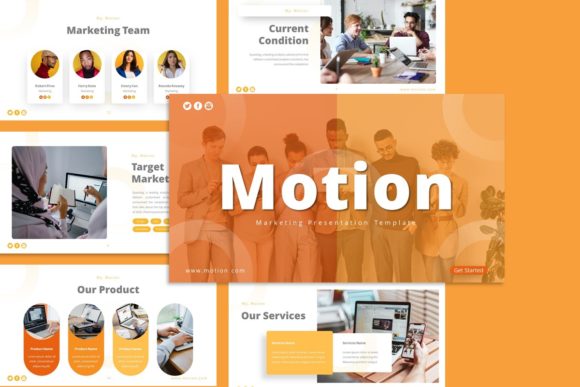
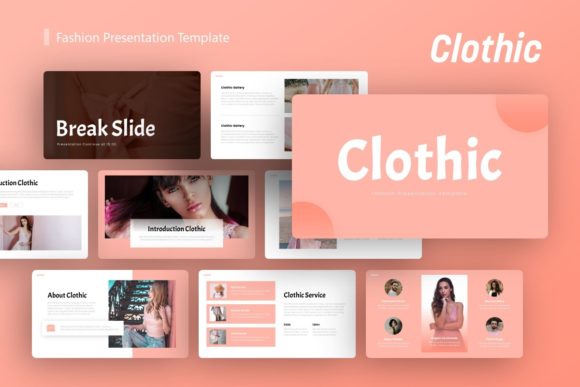
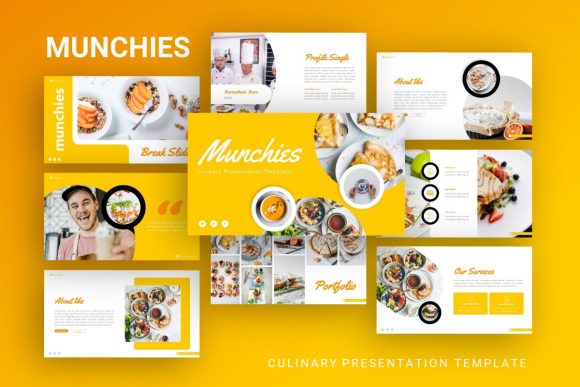
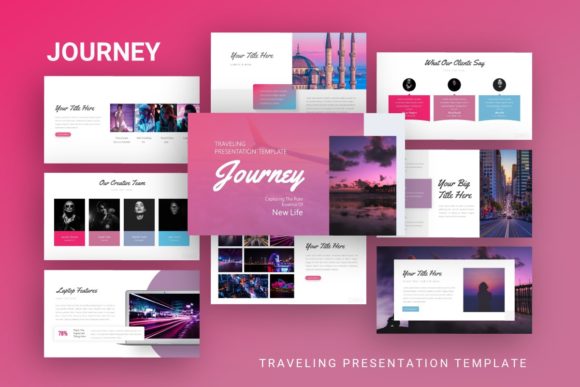
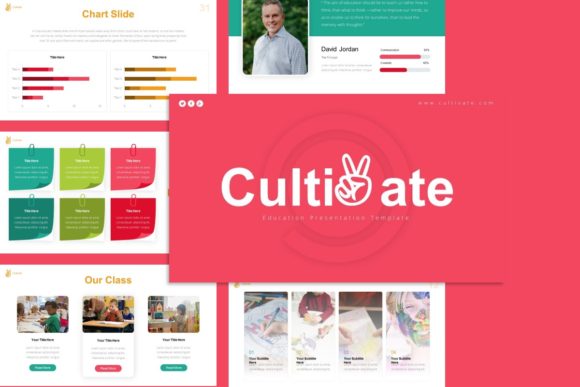
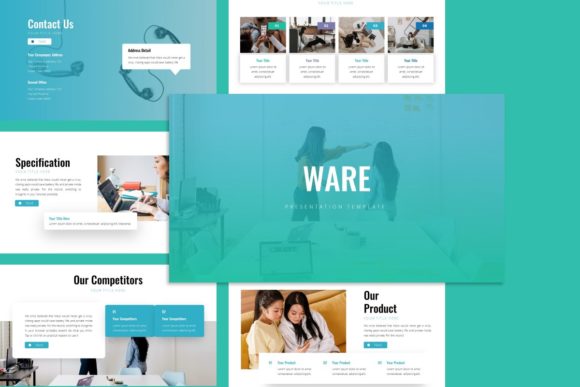
When stakeholders evaluate a new product or service, they are not just assessing the features; they are judging the clarity of your vision. The Presentation Template - Product serves as a strategic visual framework designed to bridge the gap between complex data and compelling storytelling. Unlike generic slide decks that force content into rigid boxes, this template system offers a cohesive design language specifically engineered for introducing ware products, creative agency portfolios, and startup pitch decks. Its visual personality strikes a deliberate balance between corporate professionalism and creative flexibility, utilizing clean lines and ample whitespace to let your actual content breathe.
The aesthetic appeal of this template lies in its restraint. In an era where many presentation assets suffer from visual clutter, this collection prioritizes hierarchy and focus. The style is distinctly modern yet timeless, avoiding trendy embellishments that might date your deck within months. Whether you are a photographer showcasing a portfolio or a business leader outlining quarterly projections, the underlying grid system ensures consistency. This uniformity is crucial for brand identity, as it signals to your audience that every slide is part of a unified narrative rather than a disjointed collection of thoughts.
Strategic Applications Across Creative and Corporate Sectors
Versatility is often a buzzword in design assets, but the Presentation Template - Product genuinely adapts to diverse professional contexts because it is built on master slides rather than static layouts. For entrepreneurs and startups preparing a pitch deck, the template provides structured flows for problem-solution narratives without dictating the specific tone. The 35 unique slides allow founders to mix and match layouts that best suit their specific value proposition, ensuring the visual delivery matches the verbal pitch.
Creative agencies and personal portfolios benefit equally from this adaptability. When presenting photography or design work, the template acts as a neutral canvas that enhances rather than competes with the imagery. The picture placeholders are designed with drag-and-drop functionality, allowing creatives to maintain high-resolution standards while adhering to a professional layout. Similarly, corporate teams can utilize the handcrafted infographics to transform dense spreadsheets into digestible visual data points. This cross-industry utility makes it a valuable asset for marketers and publishers who need to switch between internal reporting and external client pitches seamlessly.
How Layout Architecture Influences Audience Engagement
While typography plays a significant role in readability, the structural design of a presentation template dictates how information is consumed. The Presentation Template - Product influences audience engagement through intentional visual hierarchy. By establishing clear focal points on each slide, the template guides the viewer’s eye naturally from headline to supporting evidence. This reduces cognitive load, allowing your audience to process information faster and retain key messages longer. When viewers do not have to search for relevance, they remain engaged with the speaker rather than deciphering the slide.
Consistency in design also builds trust. When a deck utilizes pixel-perfect illustrations and resizable graphics that align perfectly across all 35 slides, it subconsciously communicates attention to detail and organizational competence. This perception of professionalism is vital during product introductions where credibility is paramount. Furthermore, the template supports effective font pairing strategies. Because the layouts are balanced, they accommodate various typeface combinations—from bold sans serif headers to refined serif body text—without breaking the visual rhythm. This flexibility allows brands to inject their unique typographic voice while maintaining a polished, editorial-quality appearance.
Evaluating Fit and Customization for Real-World Projects
Selecting the right presentation asset requires looking beyond the preview images. When evaluating the Presentation Template - Product for your next project, consider the nature of your content first. If your presentation relies heavily on data visualization, test the included handcrafted infographics to ensure they can be edited to reflect your specific metrics accurately. Since these elements are vector-based and fully editable in PowerPoint, you should verify that the complexity of the charts matches your team's technical comfort level. A template is only useful if it saves time rather than creating a new learning curve.
For those focusing on brand alignment, review the master slide structure before committing. The ability to make global changes via master slides is what separates premium design assets from basic themes. Test whether you can update logos, color palettes, and default fonts across the entire deck in seconds. This feature is essential for maintaining consistency in large organizations or for freelancers managing multiple client identities. Additionally, pay close attention to licensing and file inclusions. Remember that demo images are for preview purposes only; successful implementation requires you to source your own high-quality photography that complements the template’s minimalist aesthetic.
Practical Recommendations for Implementation
- Leverage Master Slides: Avoid editing individual slides whenever possible. Use the master slide view to adjust global typography and branding elements, ensuring that any new slides added later automatically inherit the correct styling.
- Respect Whitespace: The template’s power comes from its breathing room. Resist the urge to fill every empty space with text or graphics. Negative space is an active design element that improves readability and focuses attention on key product features.
- Test on Multiple Displays: Pixel-perfect illustrations may render differently on various projectors and screens. Always test your final export in the actual presentation environment to ensure colors and contrast levels remain accessible and impactful.
- Curate Your Slide Selection: With 35 slides available, using all of them is rarely necessary. Select only the layouts that directly support your narrative arc. A tighter, more focused deck of 10-15 well-chosen slides is always superior to a bloated presentation that loses momentum.
- Validate Typography Hierarchy: Even though the template is pre-designed, your custom content may alter the balance. Ensure your chosen font sizes maintain the intended hierarchy, keeping headlines distinct from body copy to preserve scannability.
Ultimately, the effectiveness of any presentation tool depends on how well it serves the story. The Presentation Template - Product provides a robust foundation for professionals who understand that design is not merely decoration, but a functional component of communication. By treating the template as a flexible system rather than a rigid set of rules, designers, marketers, and entrepreneurs can create presentations that are as persuasive as they are visually refined. The goal is always to make the product or idea the hero, with the design acting as the supportive stage that elevates the message without overshadowing it.