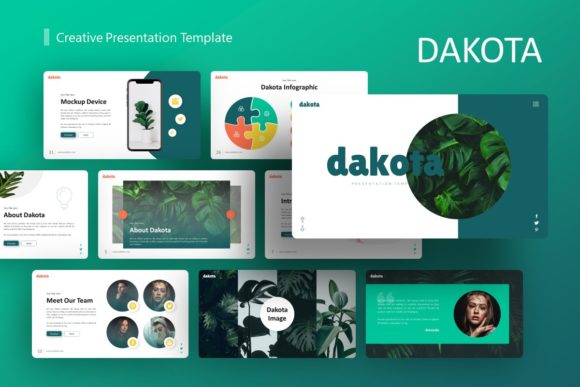
Dakota Creative Presentation Template: A Practical Framework for Visual Communication
In professional environments, the gap between a raw idea and a polished pitch often determines project success. The Dakota Creative Presentation Template serves as a structural bridge in this workflow, providing a pre-engineered visual system that accelerates the transition from concept to delivery. Rather than functioning merely as a collection of decorative slides, this template operates as a modular design framework intended to streamline the creation of high-stakes business documents. It fits into the broader production process by eliminating the initial friction of layout design, allowing professionals to focus on narrative strategy and content refinement rather than pixel alignment.
For marketers, entrepreneurs, and creatives, time allocation is a critical resource. Building a deck from scratch involves establishing grids, selecting typography hierarchies, and creating consistent color palettes before a single word of content is written. Dakota Creative Presentation Template resolves this preliminary phase instantly. By utilizing a master slide architecture, it ensures that global changes propagate throughout the entire document, maintaining visual consistency even when multiple team members are collaborating. This systematic approach transforms presentation design from an artistic endeavor into a manageable, repeatable operational task.
Strategic Application Across Project Lifecycles
The utility of this template extends beyond the final delivery moment. Its versatility allows it to function effectively at various stages of business and creative workflows. Understanding where to deploy this asset can significantly enhance organizational efficiency and communication clarity.
Pre-Project Planning and Internal Alignment
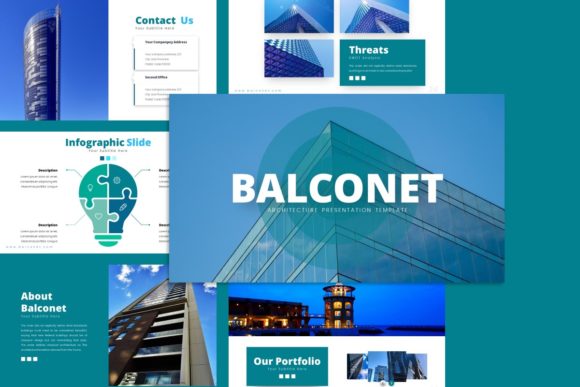
Before external stakeholders ever see a proposal, internal teams must align on objectives and strategies. The handcrafted infographics included in the Dakota Creative Presentation Template are particularly valuable during this discovery phase. Teams can use these visual assets to map out complex processes, organizational structures, or market data without waiting for a dedicated designer. For startups and agencies, this means rapid prototyping of pitch decks or company profiles. The ability to visualize data early helps identify gaps in logic or strategy, ensuring that the foundational narrative is sound before significant resources are invested in custom design work.
Execution and Client-Facing Deliverables
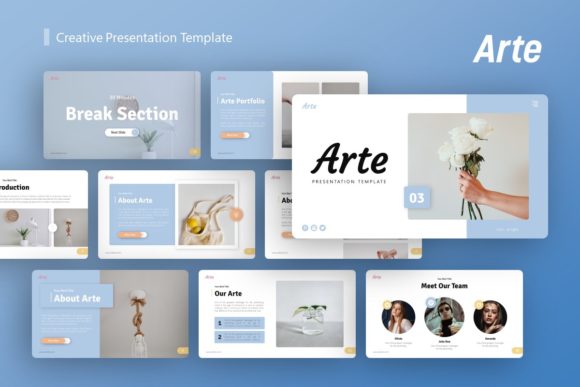
During the active project phase, consistency builds trust. Whether presenting a portfolio to a prospective client or delivering a quarterly business review, the pixel-perfect illustrations and resizable graphics provide a professional veneer that signals competence. For photographers and personal portfolios, the template offers structured layouts that highlight visual work without competing with it. The drag-and-drop picture placeholders reduce the technical overhead of image formatting, allowing creators to swap assets quickly while maintaining aspect ratios and safe zones. This efficiency is crucial when responding to RFPs or preparing for time-sensitive meetings where customization speed is as important as aesthetic quality.
Post-Project Documentation and Knowledge Transfer
After a project concludes, the need for clear documentation remains. The same slides used to pitch a service can be repurposed to create case studies, training materials, or post-mortem reports. Because the template is based on master slides, updating branding or contact information across hundreds of archived presentations becomes a matter of seconds rather than hours. This long-term usability makes the Dakota Creative Presentation Template a sustainable asset for knowledge management, ensuring that historical data remains accessible and visually aligned with current brand standards.
Technical Integration and Workflow Compatibility
A presentation template does not exist in a vacuum; it must integrate seamlessly with existing software ecosystems and file management protocols. Dakota Creative Presentation Template is engineered specifically for Microsoft PowerPoint (.PPTX), ensuring broad compatibility across corporate environments. This native integration is vital for organizations that rely on SharePoint, OneDrive, or Teams for collaboration. Unlike proprietary design files that require specialized software licenses, the .PPTX format ensures that any team member can edit, update, or present the material regardless of their design proficiency.
The inclusion of vector icons further enhances interoperability. Vector graphics remain crisp at any resolution and can be recolored directly within PowerPoint to match specific brand guidelines. This eliminates the common workflow bottleneck of exporting icons from Illustrator or Figma, importing them as PNGs, and then realizing they are the wrong color or size. By keeping assets editable within the host application, the template reduces context switching and keeps the user focused on content assembly.
Furthermore, the provided documentation file acts as a technical manual for non-designers. In many organizations, marketing managers or executives must make last-minute edits without design support. Clear documentation ensures that these users understand how to manipulate master slides and placeholders correctly, preventing accidental corruption of the layout. This self-sufficiency reduces dependency on creative teams for minor adjustments, freeing up design resources for higher-value tasks.
Implementation Best Practices for Consistency and Quality
To maximize the return on investment when using Dakota Creative Presentation Template, users should adopt specific implementation habits that prioritize structure over decoration. The following practical considerations help maintain quality control and efficiency.
- Leverage Master Slides for Global Changes: Avoid editing individual slides for recurring elements like logos, footers, or background textures. Always apply these changes via the Slide Master view. This ensures that all 36 slides update simultaneously and prevents formatting drift as the deck evolves over multiple revisions.
- Utilize Placeholder Logic: Resist the urge to insert images directly onto the slide canvas. Always use the designated picture placeholders. This preserves the intended grid system and ensures that captions, borders, and overlays remain correctly positioned relative to the visual content.
- Standardize Typography Early: Before populating content, define your font hierarchy within the master slides. Establishing H1, H2, and body text styles upfront prevents the "font soup" phenomenon where multiple typefaces accidentally accumulate during collaborative editing sessions.
- Manage Asset Expectations: Be aware that demo images are for preview purposes only and are not included in the download. Plan your asset gathering phase separately. Create a folder of approved, high-resolution imagery before beginning layout work to avoid using low-quality placeholders that distort the final perception of quality.
- Adapt Infographics for Data Accuracy: While the handcrafted infographics are visually compelling, they must be rigorously checked against actual data. Treat them as structural containers rather than static art. Verify that chart axes, percentages, and labels reflect current metrics before presenting to stakeholders.
Optimizing for Diverse Use Cases
The Dakota Creative Presentation Template is designed for adaptability, but different use cases require different configuration approaches. A pitch deck for a startup requires a fundamentally different pacing and density than a corporate annual report or a photography portfolio.
For Creative Agencies and Portfolios, the emphasis should be on negative space and image dominance. Users should select slides that minimize text density and utilize full-bleed image placeholders. The goal here is to let the work speak for itself, using the template’s grid to create rhythm without visual clutter. In contrast, Corporate and Business applications often demand higher information density. Here, the infographic slides and data visualization layouts become primary tools. The focus shifts to clarity and readability, ensuring that complex datasets are digestible during executive briefings.
Startups and Pitch Decks benefit most from the template’s narrative flow capabilities. The 36-slide variety allows founders to construct a complete story arc—from problem identification to solution, market size, and team introduction—without feeling constrained by limited layout options. However, discipline is required; having 36 options does not mean using all of them. Selecting the 10–15 most relevant slides creates a tighter, more persuasive argument than an exhaustive tour of every available layout.
For Personal Portfolios and Freelancers, the template serves as a digital business card. Customization should focus heavily on personal branding colors and typography to distinguish the individual from generic corporate aesthetics. The ease of editing allows freelancers to maintain multiple versions of their portfolio tailored to specific industries, swapping out relevant case studies and testimonials while keeping the core design infrastructure intact.
Maintaining Long-Term Value and Efficiency
Sustainable use of any digital asset requires maintenance. As brands evolve, so too must their templates. Regularly auditing your Dakota Creative Presentation Template ensures it remains aligned with current brand guidelines. Schedule quarterly reviews to update master slides with new logo variations, refreshed color codes, or updated legal disclaimers. This proactive approach prevents the accumulation of outdated assets that can undermine professional credibility.
Additionally, consider creating derivative versions for specific departments or functions. A sales team might need a version pre-loaded with pricing tables and ROI calculators, while HR might require slides focused on culture and benefits. Saving these as separate, purpose-built files derived from the main template creates a library of specialized tools that retain the core visual identity while serving distinct operational needs.
Ultimately, the Dakota Creative Presentation Template is a productivity tool disguised as a design asset. Its value lies not in its aesthetic appeal alone, but in its capacity to standardize visual communication, reduce production time, and elevate the baseline quality of organizational output. By integrating it thoughtfully into planning, execution, and documentation workflows, professionals can transform presentation creation from a recurring burden into a streamlined, strategic advantage. The combination of editable vectors, master slide architecture, and comprehensive documentation provides the necessary foundation for consistent, high-quality communication across any business context.