Enhancing Digital Interfaces with the Deal Icons Set: A Comprehensive Guide to Vector Business Assets
In the rapidly evolving landscape of digital product design, the clarity of visual communication often determines user engagement and conversion rates. When designing for e-commerce platforms, financial applications, or corporate infographics, generic imagery frequently fails to convey specific business concepts with the necessary precision. This is where specialized vector assets, such as the Deal Icons Set, become indispensable tools for modern creators. Unlike raster images that lose quality upon resizing, these vector illustrations provide a scalable, editable foundation for communicating complex business agreements, transactions, and commercial relationships across web and mobile interfaces.
The Strategic Value of Solid Line Style in UI Design
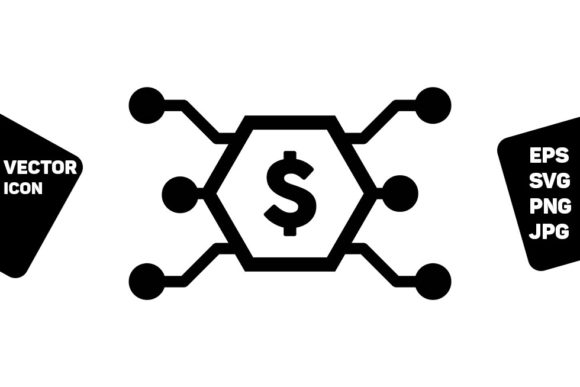
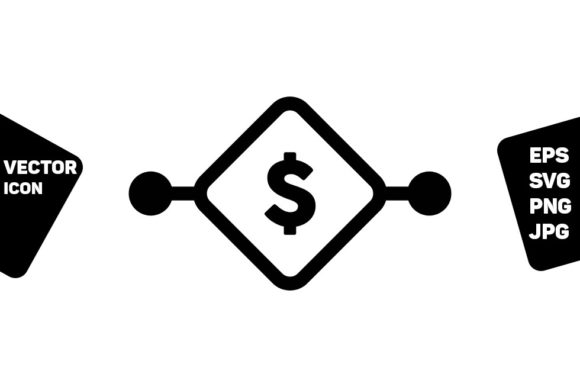
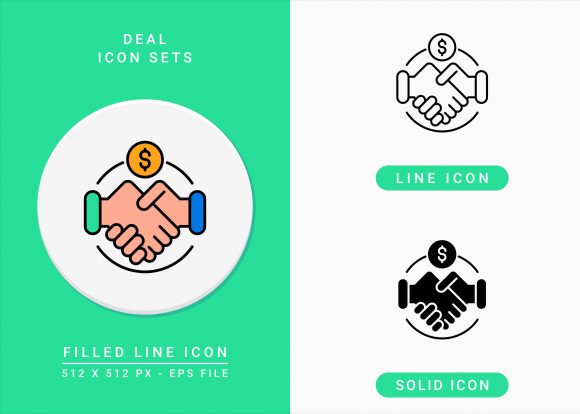
The aesthetic choice of an icon set is never merely decorative; it serves a functional role in user interface hierarchy and cognitive processing. The Deal Icons Set utilizes a solid icon line style, a hybrid approach that combines the lightweight feel of linear icons with the visual weight of filled shapes. This specific stylistic choice addresses several common challenges in UI and web design.
Solid line icons offer superior legibility at smaller sizes compared to purely outlined vectors. On mobile screens where pixel density varies and touch targets must be clearly defined, the added mass of a solid fill ensures the icon remains distinct against busy backgrounds or within dense navigation bars. Conversely, they avoid the heavy, blocky appearance of fully solid glyphs, which can sometimes overwhelm delicate typography or minimalist layouts. This balance makes them particularly effective for business agreement concepts, where the visual tone must strike a chord between professional authority and modern accessibility.
Furthermore, this style supports consistent visual rhythm. When integrating these assets into a broader design system, the uniform stroke width and corner radius create a cohesive language that guides the user’s eye without causing fatigue. For designers working on fintech apps or B2B dashboards, this consistency is crucial for establishing trust and reducing cognitive load during critical decision-making processes.
Technical Versatility Across SVG, EPS, and Editable Strokes
A significant advantage of professional-grade vector packs is their technical adaptability. The Deal Icons Set is engineered to support diverse workflows through multiple file formats and editable properties. Understanding these technical specifications allows professionals to maximize efficiency regardless of their preferred software ecosystem.
Scalable Vector Graphics (SVG) for Web and App
The inclusion of SVG files is essential for contemporary responsive design. SVGs are code-based graphics that render crisply on any display resolution, from standard laptops to high-DPI retina screens. Because they are XML-based, these icons can be manipulated directly via CSS or JavaScript. Developers can change colors, adjust stroke widths, or animate specific paths without opening a design tool. This capability is vital for interactive states, such as hover effects on a "Sign Contract" button or active states in a mobile app tab bar.
EPS Files for Print and High-Fidelity Editing
While SVG dominates the screen, Encapsulated PostScript (EPS) remains the industry standard for print media and deep editing. The provided EPS files ensure that marketing collateral, business cards, and large-format signage maintain perfect fidelity. More importantly, EPS serves as a universal exchange format between different vector editing programs, preserving layer structures and path data that might otherwise be lost in conversion.
The Power of Editable Strokes
Perhaps the most practical feature for iterative design is the editable stroke attribute. Many icon sets are expanded or outlined, meaning the lines are converted into static shapes. If a designer needs to change a 2px line to a 3px line in an expanded icon, they must manually redraw the shape. With editable strokes, the line weight remains a live property. This allows for global adjustments across an entire project in seconds. If a client requests a bolder look for better accessibility compliance, the designer can simply adjust the stroke slider rather than redrawing dozens of individual assets. This non-destructive workflow significantly reduces revision time and maintains geometric integrity.
Semantic Clarity in Business Agreement Concepts
Visual semantics—the study of how images convey meaning—is critical when representing abstract business concepts. A "deal" is not a tangible object; it is a convergence of trust, value exchange, and legal obligation. The Deal Icons Set translates these abstractions into recognizable metaphors that users process instantly.
- Handshakes and Agreements: Representing mutual consent and partnership. These icons are foundational for landing pages focused on B2B services or contract management software.
- Signatures and Pens: Symbolizing authorization and finality. Essential for e-signature platforms and document verification workflows.
- Briefcases and Documents: Denoting professionalism and formal terms. Useful for categorizing content or indicating secure data handling.
- Tags and Price Badges: Communicating value propositions and special offers. Critical for e-commerce conversion optimization.
Using semantically accurate icons reduces the reliance on explanatory text. In mobile app design, where screen real estate is at a premium, a well-chosen icon from this set can replace a text label entirely, provided the metaphor is universally understood. This contributes to cleaner interfaces and faster scanning patterns for users navigating complex business tools.
Software Compatibility and Workflow Integration
Modern design teams rarely operate within a single software silo. The utility of a vector asset pack is largely defined by its interoperability. The Deal Icons Set is structured to open seamlessly across the major vector editing platforms used in the industry today.
Adobe Illustrator remains the primary environment for many agencies. The EPS and SVG files retain full editability here, including layers, groups, and color swatches. Inkscape, a powerful open-source alternative, fully supports the SVG format, making these assets accessible to freelancers and educators operating on limited budgets. Affinity Designer has gained significant traction for its performance and one-time purchase model; these vectors import cleanly, maintaining stroke properties and allowing for non-destructive editing. Gravit Designer (now Corel Vector) offers cloud-based capabilities, and the SVG compatibility ensures that designers working in browser-based environments can utilize the set without friction.
This cross-platform compatibility ensures that assets remain future-proof. Team members using different tools can collaborate on the same project without file corruption or loss of editability, streamlining the handoff between designers, developers, and marketers.
Best Practices for Implementation and File Management
To derive maximum value from the Deal Icons Set, proper file management and implementation strategies are necessary. Upon acquisition, users must extract and unzip the downloaded archive to access the organized directory structure. Maintaining this organization is key to long-term asset management.
When implementing these icons in web projects, it is advisable to optimize SVG files before deployment. While the source files are designed for editability, production files should be cleaned of unnecessary metadata, hidden layers, and editor-specific artifacts. Tools like SVGO can reduce file size by up to 70% without affecting visual quality, improving page load speeds and SEO performance.
For mobile app development, consider exporting icons as symbol libraries or component sets. This allows for centralized updates; if the brand guidelines shift, updating the master component propagates changes throughout the entire application. Additionally, always test icons at actual device sizes. An icon that looks balanced at 64px on a desktop monitor may appear too thin or cluttered at 24px on a smartphone. The editable stroke feature facilitates this testing phase, allowing designers to quickly prototype different weights to find the optimal optical size.
Accessibility Considerations in Iconography
Inclusive design is a non-negotiable aspect of modern digital product creation. When utilizing the Deal Icons Set, designers must ensure that visual elements do not create barriers for users with disabilities. The solid line style inherently offers better contrast ratios than thin-line icons, but verification is still required.
Always pair icons with appropriate alternative text (alt text) when used as standalone functional elements. If an icon is purely decorative, it should be hidden from screen readers to prevent auditory clutter. Furthermore, avoid relying solely on color to convey meaning. A red deal icon versus a green deal icon may be indistinguishable to users with color vision deficiencies. Instead, utilize distinct shapes or accompanying labels to differentiate states. The variety included in this set allows designers to select unique glyphs for different statuses, ensuring that information is conveyed through form as well as color.
Elevating Infographics and Educational Content
Beyond interface design, these vector illustrations serve as powerful assets for educational and informational content. Researchers, educators, and content marketers frequently need to visualize data and processes. The isolated background nature of these icons makes them easy to composite into complex infographic layouts without masking or cleanup.
When creating infographics about business negotiations or market trends, the consistent style of the Deal Icons Set helps unify disparate data points into a coherent narrative. Unlike mixing stock photos with clip art, which creates visual dissonance, a unified vector style establishes a professional cadence. This is particularly relevant for white papers, annual reports, and educational presentations where credibility is paramount. The ability to recolor icons to match specific data categories or brand themes further enhances their utility in storytelling contexts.
Ultimately, the effectiveness of any design asset lies in its ability to solve problems efficiently. By combining technical flexibility with semantic clarity and aesthetic balance, this collection provides a robust foundation for professionals seeking to communicate business concepts with precision and style. Whether optimizing a mobile checkout flow, designing a comprehensive corporate report, or building an accessible educational resource, the right vector tools transform abstract ideas into tangible, engaging user experiences.